
The evolution of gambling tracing its roots through history
The Ancient Beginnings of Gambling
The history of gambling dates back to ancient civilizations, with evidence of games of chance appearing in many cultures around the world. Archaeologists have discovered dice made from animal bones in sites dating back to 3000 BC in Mesopotamia, highlighting the early human fascination with risk and reward. These primitive games likely served both recreational and spiritual purposes, as ancient peoples believed that fate and fortune were tied to the outcome of their wagers. For those curious about modern iterations, the Astronaut game showcases how far we’ve come in gaming.
In ancient China, gambling can be traced back to 2000 BC, where games involving tiles and betting emerged. The Chinese also developed the first lottery, illustrating how gambling evolved to include various forms of games, not just chance. Similarly, the Greeks and Romans incorporated gambling into their social lives, with gambling games being played during festivals and public gatherings. This interaction between community and gambling laid the groundwork for its evolution into a mainstream activity.
The Middle Ages and the Rise of Formal Gambling
The Middle Ages marked a pivotal time in gambling history, as various forms of gambling became formalized. In Europe, the establishment of gambling houses and the creation of more structured games allowed for a more regulated environment. The introduction of playing cards in the 14th century provided a new dimension to gambling, leading to the popularity of card games that we still enjoy today. These developments reflected a growing acceptance of gambling within society, transitioning it from a taboo subject to a legitimate pastime.
This period also saw the emergence of lotteries as a means to raise funds for public projects, such as building infrastructure and supporting local governments. The practice gained significant momentum, particularly in Italy and France, where lotteries became a source of entertainment and financial support. By the end of the Middle Ages, gambling was well-entrenched in European culture, paving the way for its future growth.
The Enlightenment and the Birth of Casinos
The 17th and 18th centuries heralded the Enlightenment, a period characterized by reason and innovation, which significantly impacted gambling practices. The first modern casino, the Casino di Venezia, opened its doors in Italy in 1638, offering various games and catering to the elite. This development signaled a shift in gambling, transforming it into a sophisticated activity associated with wealth and leisure. Casinos soon spread across Europe, becoming hubs of social life and entertainment.
As gambling gained popularity, various games such as roulette and baccarat were created and refined. The allure of these games, combined with the luxurious environment of casinos, attracted players from all walks of life. This era established the foundations for the gaming industry, intertwining gambling with elements of fashion, style, and high society. The casino experience became a symbol of prestige and sophistication, solidifying its place in cultural history.
The Modern Era and the Globalization of Gambling
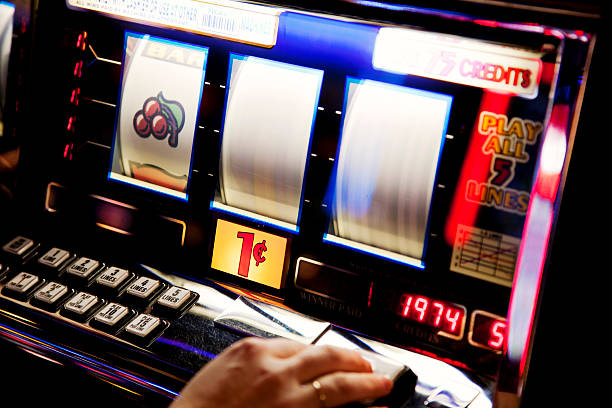
Entering the 19th and 20th centuries, gambling underwent a transformation fueled by technological advancements and globalization. The introduction of slot machines revolutionized the gaming landscape, allowing for greater accessibility and instant gratification. This era also witnessed the rise of illegal gambling operations and organized crime, prompting governments to regulate and legalize gambling to protect citizens and generate revenue.
The late 20th century saw the expansion of gambling into new territories, with the establishment of gaming destinations in places like Las Vegas and Macau. These locations became synonymous with entertainment and luxury, drawing tourists worldwide. The digital age further accelerated the evolution of gambling, with online casinos and betting platforms emerging as a popular alternative, catering to a tech-savvy generation.

Engaging in the Future of Gambling
Today, gambling continues to evolve, driven by technological innovation and changing cultural attitudes. Online platforms now offer a wide variety of gaming experiences, from traditional card games to immersive virtual reality environments. These advancements have made gambling more accessible than ever, allowing players to enjoy their favorite games from the comfort of their homes or on the go.
As we look to the future, responsible gaming practices are gaining importance, ensuring that players can enjoy gambling as a form of entertainment without the risks of addiction. With ongoing advancements in technology and a growing understanding of player behavior, the gambling industry is poised for further evolution, promising exciting developments for both seasoned players and newcomers alike.